Engineering24 Sep 2026 · 8 min
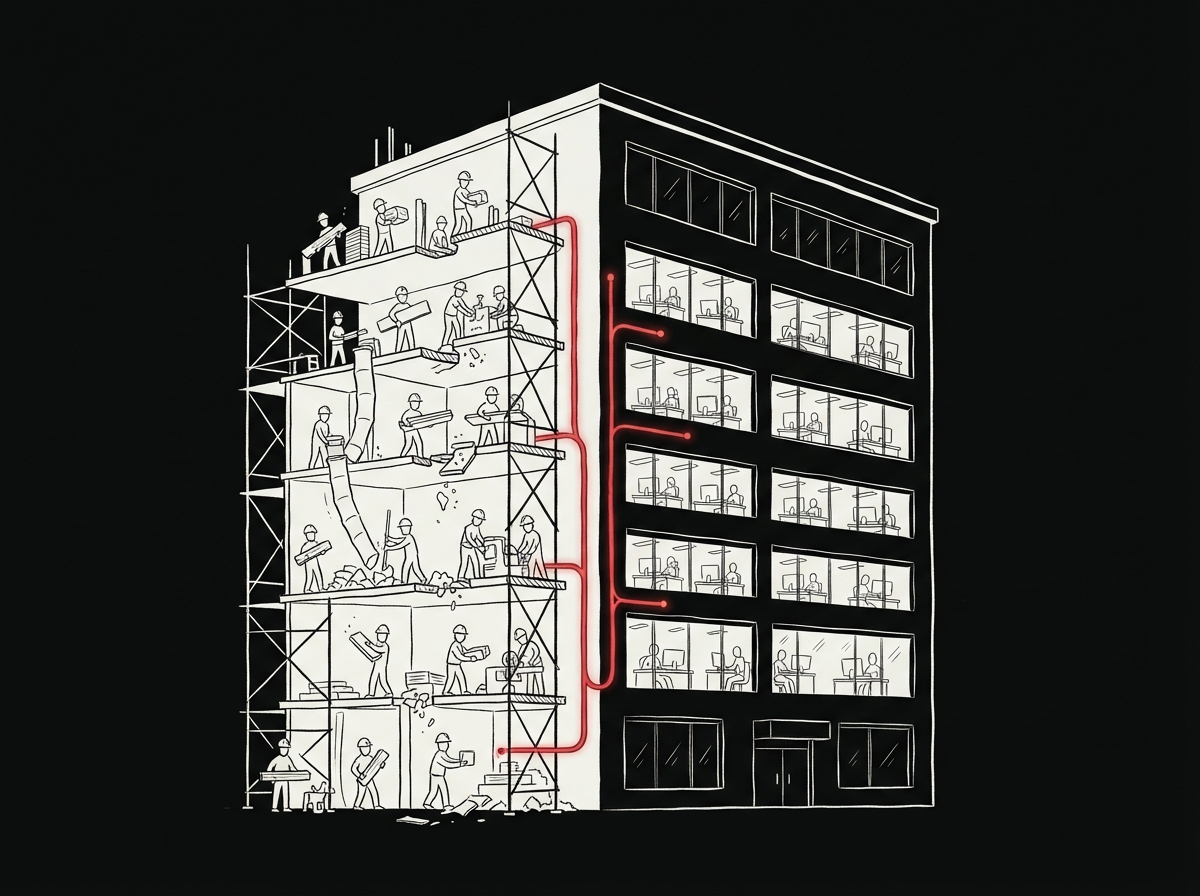
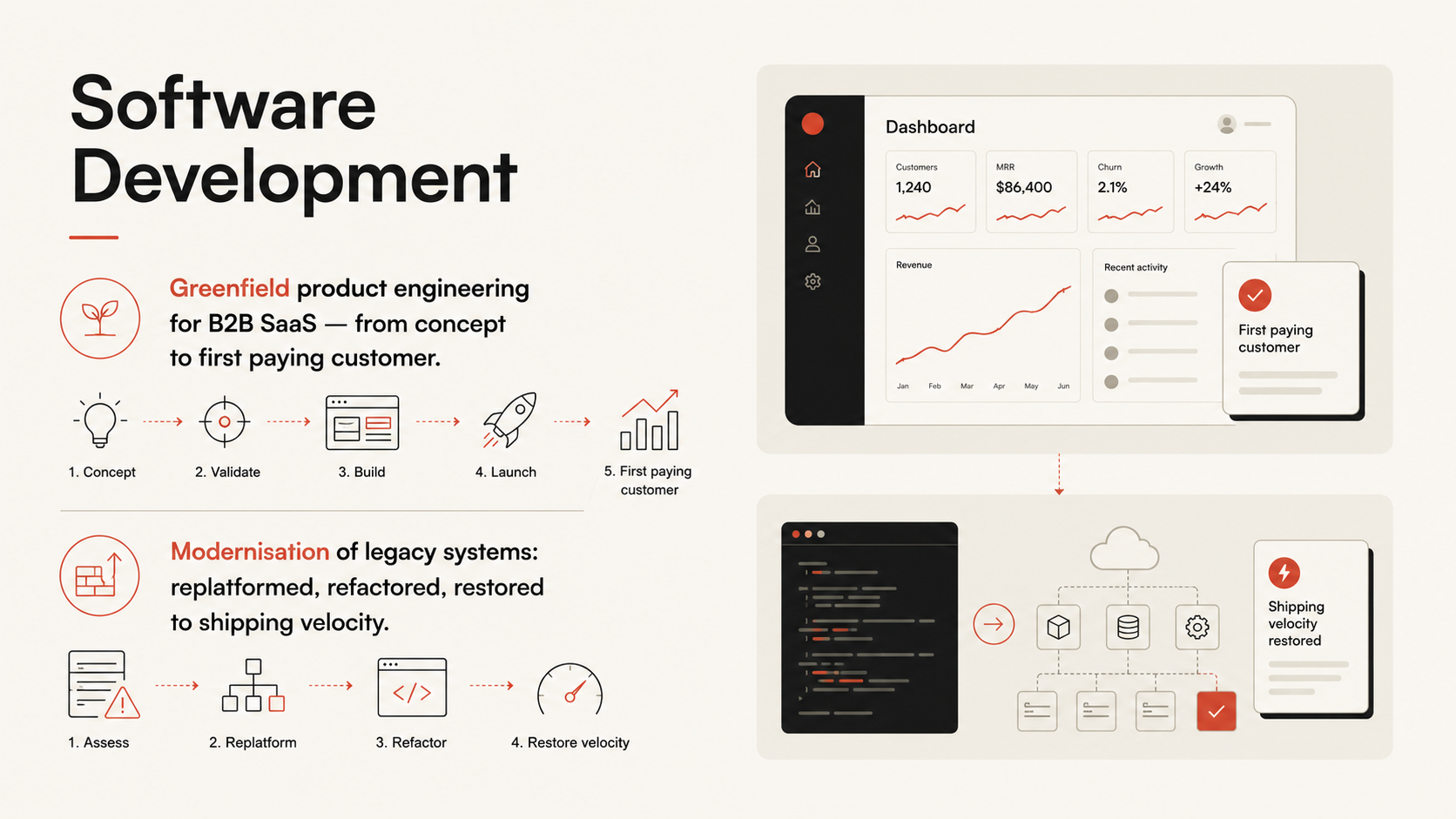
Modernising a Legacy B2B SaaS Codebase Without Stopping Delivery
The instinct when a codebase has slowed to a crawl is to rewrite it. The harder, more reliable answer is to carve it apart one module at a time while the product keeps shipping.
Read article →
Compliance22 Sep 2026 · 7 min
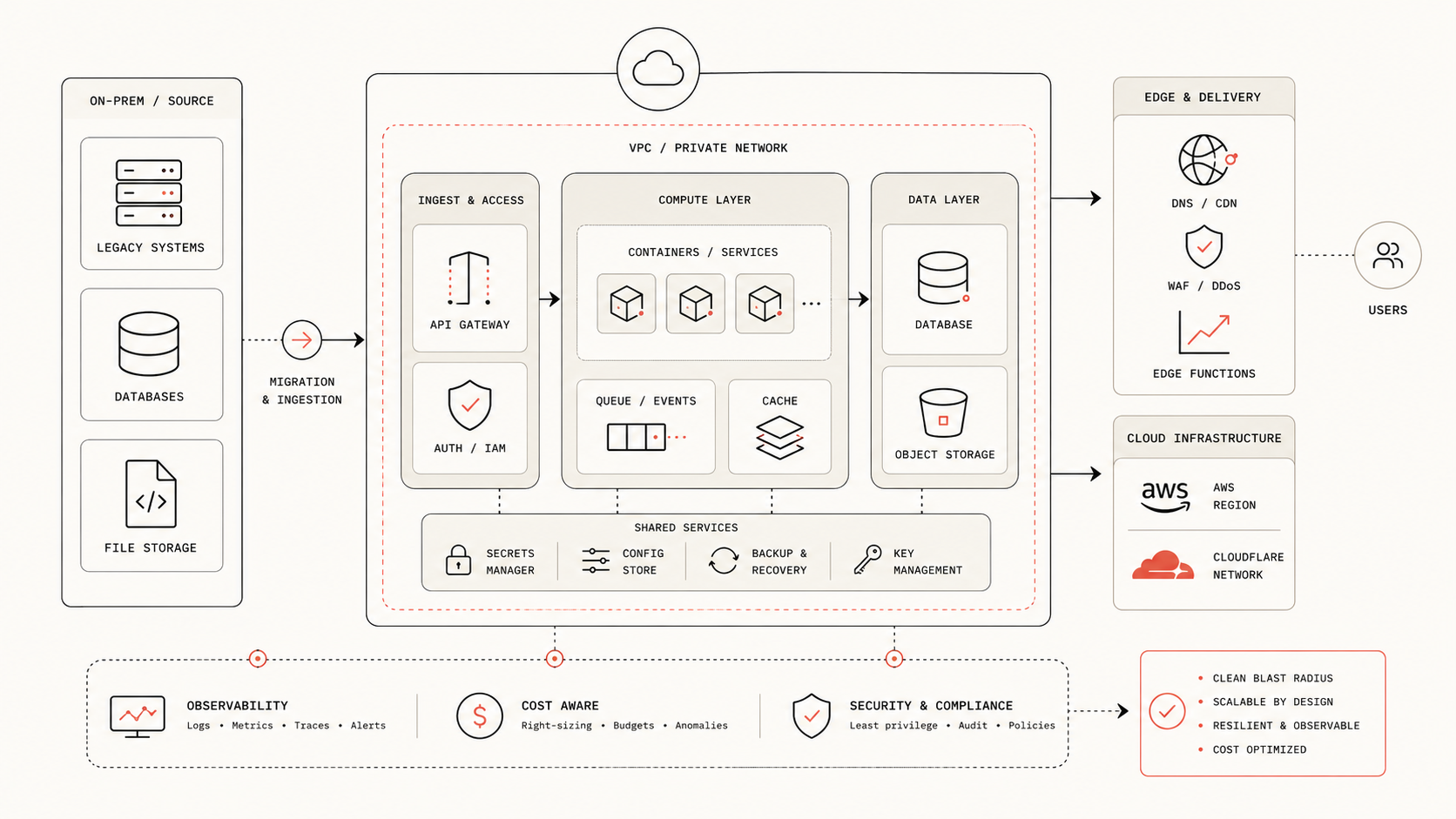
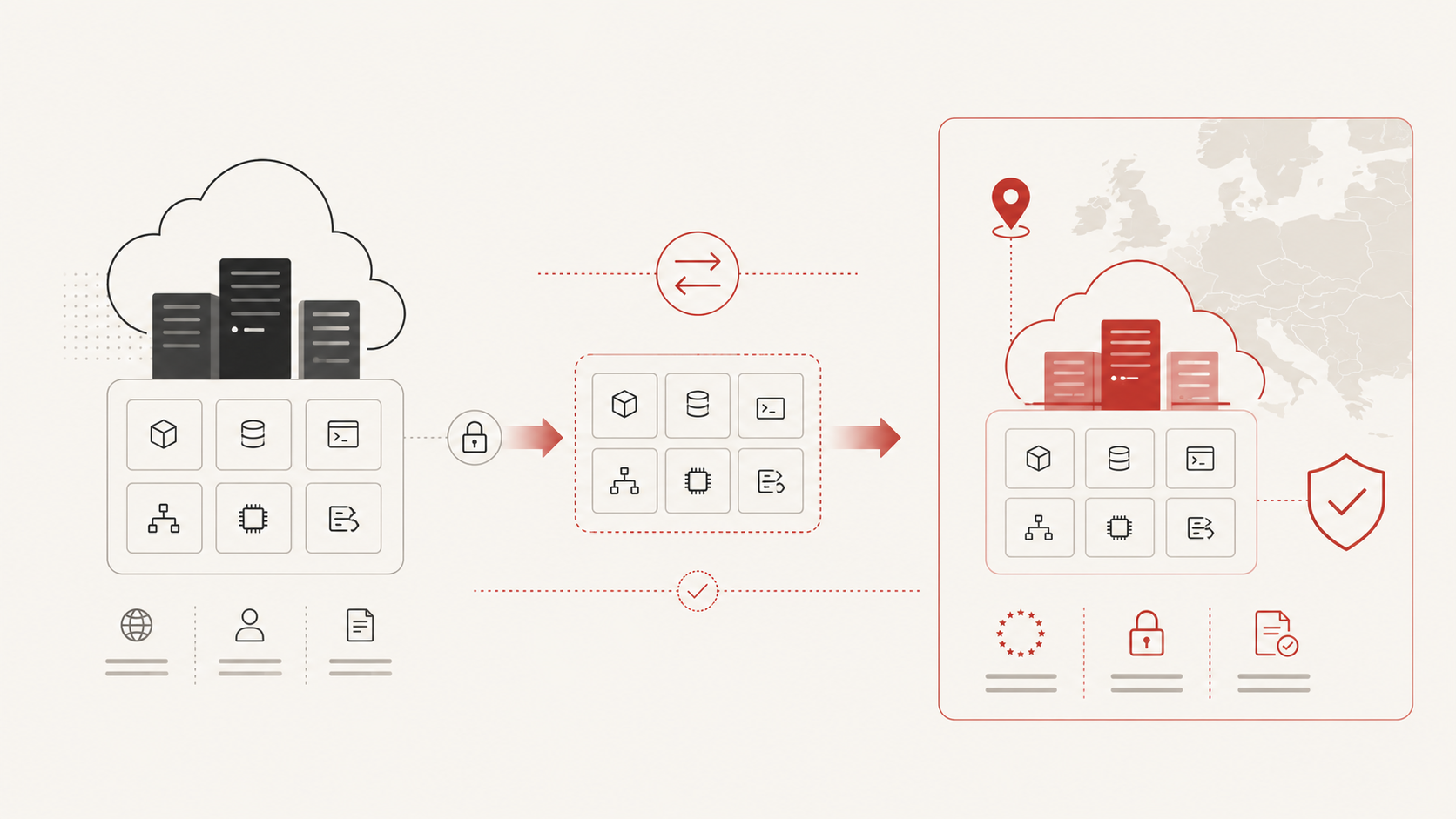
What EU Data Residency Actually Requires From Your SaaS Stack.
GDPR governs data transfers, not server location. Here’s what actually closes the Cloud Act gap in a compliant SaaS stack.
Read article →
AI22 Sep 2026 · 6 min
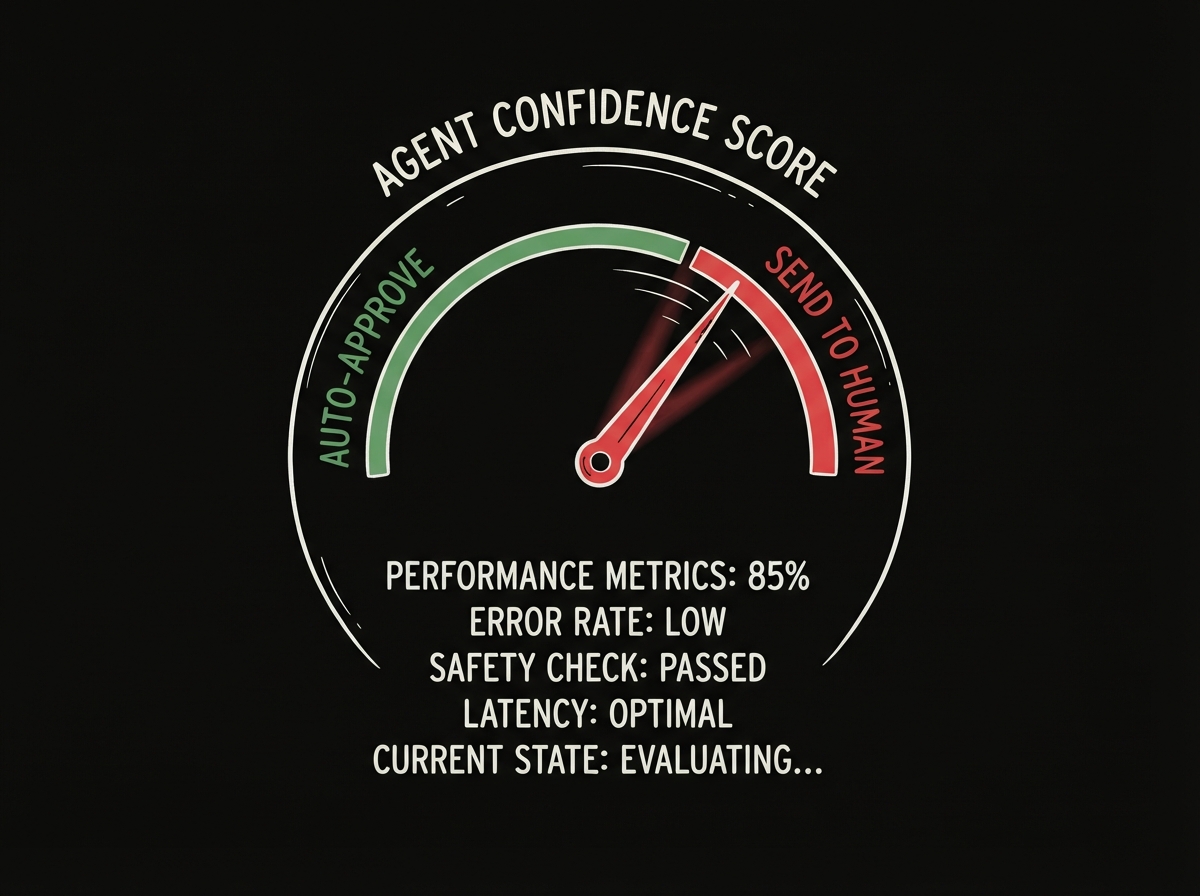
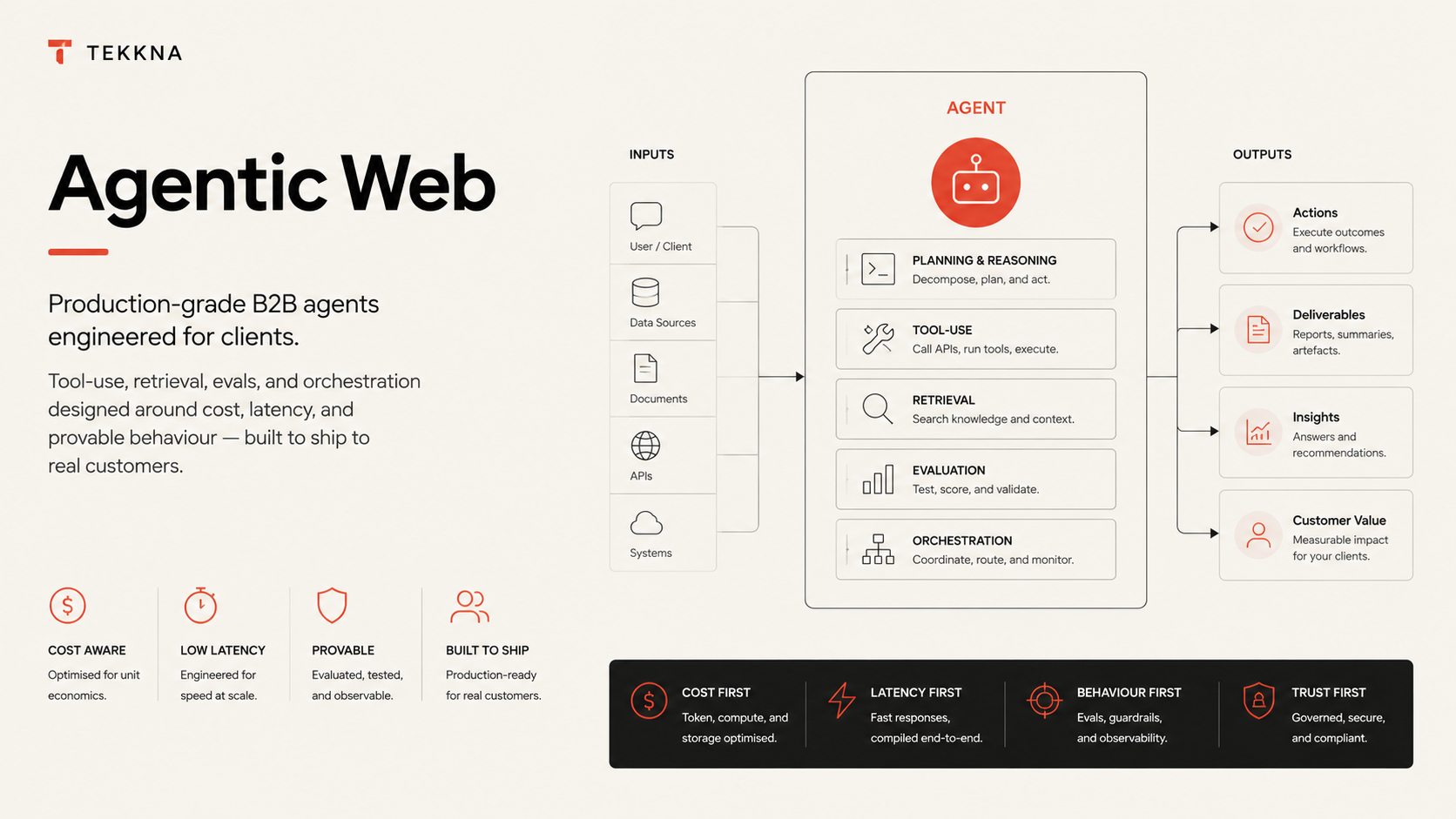
How to know your AI agent is ready for production.
A demo shows an agent can succeed once, in front of you, on a case you picked. Production asks it to succeed on cases you didn’t.
Read article →
AI4 Sep 2026 · 7 min
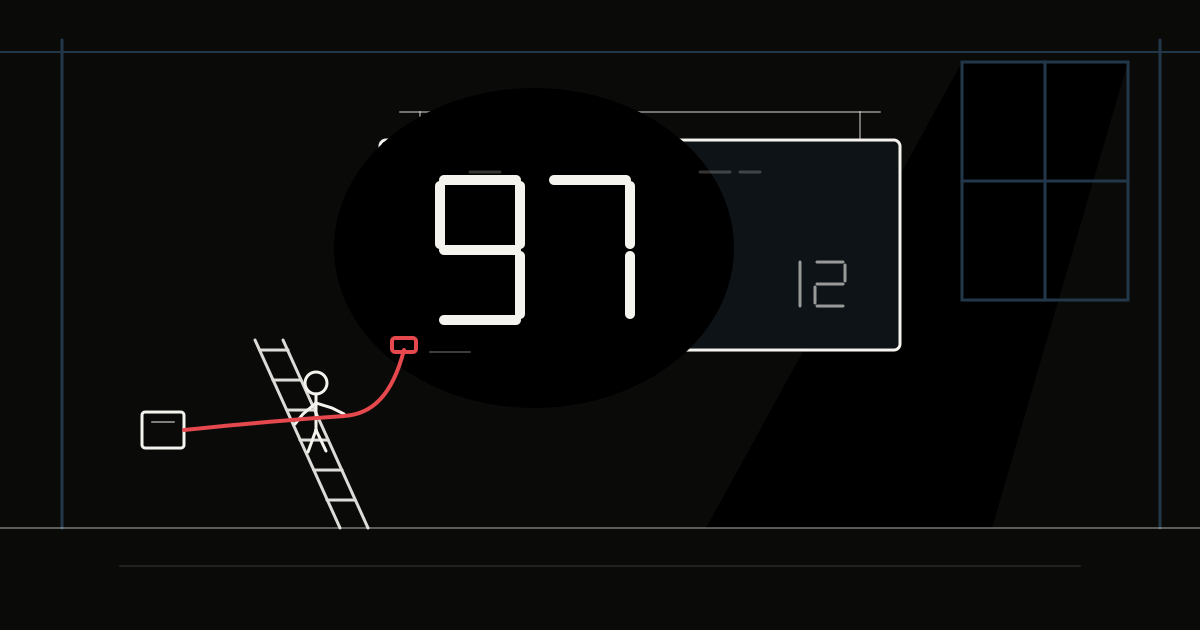
GPT-6 Astra: what shipped, what the cyber guardrails break, and why "AGI era" is not a testable claim
OpenAI launched GPT-6 Astra on 3 September 2026 with a 99.9% ARC-AGI-3 score and a first-ever "Critical" cyber classification. The independent harness scored 62.7%. Here is what an EU team running agents in production should actually do.
Read article →
AI13 May 2026 · 6 min
MCP, explained: what it is, what it’s for, and where it actually pays off.
The Model Context Protocol is the unglamorous plumbing that turns a chat window into a coworker. A short, practical tour of what MCP is, what it’s used for, and where it earns its keep.
Read article →
Sovereignty22 Apr 2026 · 6 min
Why moving to EU cloud makes sense in 2026.
Schrems II didn’t get repealed. The CLOUD Act didn’t get rescinded. And procurement teams in the EU are starting to act on it — quietly, then suddenly.
Read article →
AI18 Mar 2026 · 7 min
Agentic AI in production: where the leverage actually is.
Most agentic AI demos break the second they meet a real workflow. The difference between a demo and a production system is mostly retrieval, evals, and the boring loop around the model.
Read article →
Engineering4 Feb 2026 · 5 min
Modern software development is operating-model engineering.
Engineering velocity isn’t an IDE problem or a language problem. It’s an operating-model problem — how teams structure feedback loops, ship cadence, and the cost of a bad commit.
Read article →
Company1 Jan 2026 · 5 min
Founded on a Thursday: why we started TEKKNA.
We registered TEKKNA on 1 January 2026. The date was a logistics choice, not a symbol — but the idea behind the company had been waiting much longer.
Read article →